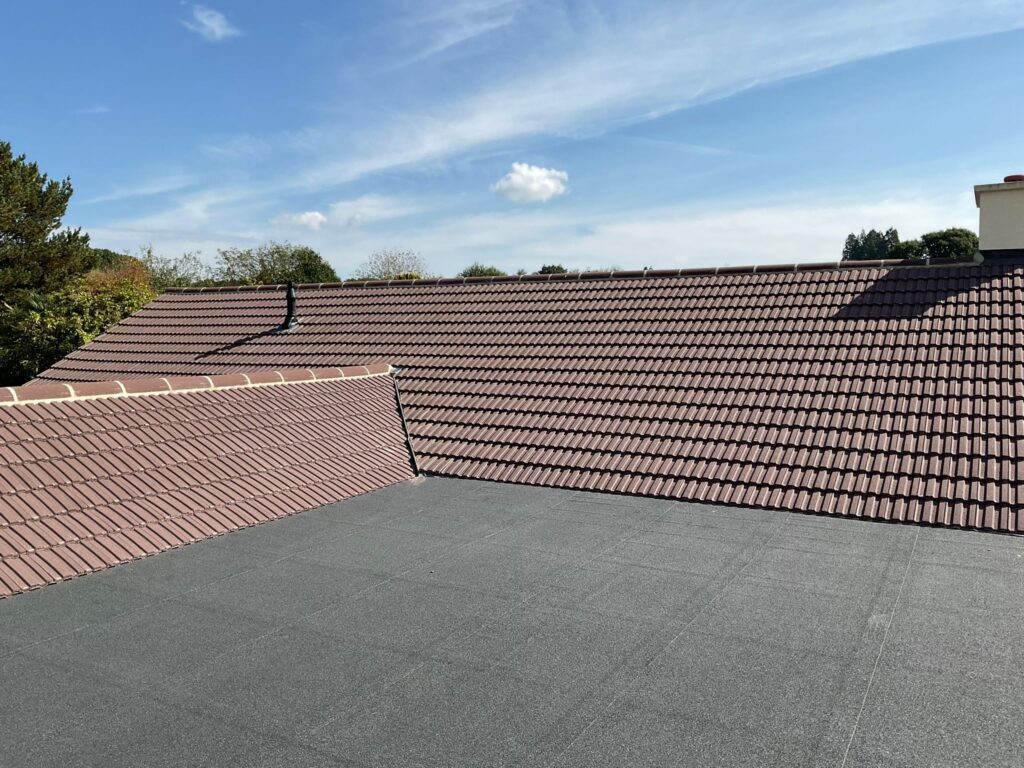
Flat roofs provide a practical roofing solution for extensions, garages and other buildings, but their exposed surfaces must withstand regular changes in weather and temperature. Over time, the materials can deteriorate, resulting in problems such as blistering and cracking.
Although these defects may initially appear minor, they can affect the roof’s ability to keep water out. Understanding what causes flat roof blistering and cracking can help property owners recognise early warning signs and arrange appropriate repairs before further damage develops.
For homeowners in Frome, Wiltshire, regular roof inspections and timely maintenance are important for keeping flat roofs in good condition.
What Causes Blistering on a Flat Roof?
Blistering occurs when raised bubbles or pockets develop beneath the roof covering. These usually form when air, moisture or vapour becomes trapped between layers of roofing material or between the covering and its supporting surface.
As temperatures rise, trapped air or moisture can expand, creating visible raised areas. Some blisters remain relatively small, while others grow and eventually split, exposing the underlying material to rainwater.
Common causes include:
- Moisture trapped during the installation process.
- Inadequate bonding between roofing layers.
- Poor ventilation within the roof structure.
- Excessive heat causing trapped air or vapour to expand.
- Ageing materials that have begun to lose their original properties.
Blisters should not be punctured or cut open without professional assessment. Doing so can damage the waterproofing layer and allow moisture to enter the roof structure.
Why Do Flat Roofs Develop Cracks?
Cracking is another common sign of deterioration, particularly on older flat roofs. Roofing materials naturally respond to temperature changes, expanding in warmer conditions and contracting as they cool.
Repeated movement can gradually place stress on the covering, eventually causing cracks or splits to appear. Once the surface is damaged, rainwater may find its way beneath the protective layer.
Other possible causes include:
- Natural ageing and deterioration of the roofing material.
- Movement in the roof deck or supporting structure.
- Poor installation or unsuitable materials.
- Excessive movement around joints and roof edges.
- Prolonged exposure to sunlight and changing weather conditions.
The size and location of a crack can help indicate the nature of the problem, but even a small split should be checked if it compromises the waterproof covering.
How Poor Installation Contributes to Flat Roof Damage
The quality of the original installation has a significant influence on how well a flat roof performs. If the supporting deck is not properly prepared or roofing layers are incorrectly applied, weak points can develop over time.
Insufficient adhesion may allow sections of the covering to separate, creating spaces where air and moisture can become trapped. Poorly sealed joints and edges can also allow water to enter beneath the surface.
Using materials that are unsuitable for the roof’s design or failing to follow the manufacturer’s installation requirements can further increase the likelihood of premature deterioration.
Professional installation and careful attention to detail help create a secure, consistent waterproof layer.
The Impact of Standing Water on Flat Roof Coverings
Flat roofs are not completely level. They should have appropriate falls that direct rainwater towards drainage outlets and prevent excessive water accumulation.
When water repeatedly collects in the same areas, it can place prolonged stress on the roofing materials. Existing cracks, weak joints and damaged sections may become more vulnerable to water penetration.
Standing water can also make it harder to identify the original source of a leak, as moisture may travel beneath the covering before entering the building.
Blocked outlets, inadequate drainage and changes in the roof’s structure can all contribute to ponding. These issues should be investigated rather than simply treating the visible water accumulation as an isolated problem.
Warning Signs That Blistering or Cracking Needs Attention
Blisters and cracks are not always accompanied by immediate leaks. However, there are several signs that suggest the roof may need professional attention:
- Raised bubbles or uneven areas across the roof covering.
- Visible splits, cracks or openings in the material.
- Sections of roofing that appear loose or detached.
- Water stains or damp patches on internal ceilings.
- Persistent puddles following rainfall.
- Peeling paint, bubbling plaster or damp smells beneath the roof.
If water is entering the property, arrange an inspection promptly. Avoid walking on a damaged or weakened flat roof, as this can worsen the defect and may be unsafe.
Can Blistering and Cracking Be Repaired?
The appropriate repair depends on the roofing material, the extent of the damage and the condition of the layers beneath the surface.
Localised defects may be suitable for targeted repairs, provided the surrounding covering remains sound and the underlying structure has not been affected by moisture.
However, widespread blistering, extensive cracking or repeated leaks may indicate that the roof covering has deteriorated more significantly. In these circumstances, more extensive repairs or replacement may need to be considered.
A professional inspection should establish the source of the problem and assess the condition of the roof as a whole. This helps ensure that repairs address the underlying cause rather than simply covering visible damage.
Professional Flat Roof Repairs in Frome, Wiltshire
Blistering and cracking can gradually weaken a flat roof’s waterproof protection if left untreated. Identifying the cause early can help prevent moisture from reaching the underlying structure and causing further deterioration.
MCM Roofing Repairs Frome provides roofing repair services in Frome, Wiltshire, helping property owners identify flat roof defects and determine suitable repair solutions. Whether you have noticed raised areas, surface cracks or signs of water ingress, professional advice can help establish the next steps.
If your flat roof is showing signs of deterioration, contact MCM Roofing Repairs Frome to discuss your requirements and arrange an assessment.
Conclusion
Flat roof blistering and cracking can develop for several reasons, including trapped moisture, poor installation, ageing materials, temperature changes and inadequate drainage. Although these problems may begin as minor surface defects, they can eventually compromise the roof’s waterproofing.
Regular inspections and timely professional repairs help protect the roof and reduce the risk of more extensive damage. For property owners in Frome, Wiltshire, addressing these warning signs early is an important part of maintaining a reliable and weather-resistant roof.
Call us on: 01373 485 199
Click here to find out more about MCM Roofing Repairs Frome
Click here to complete our contact form and see how we can help with your roofing needs.