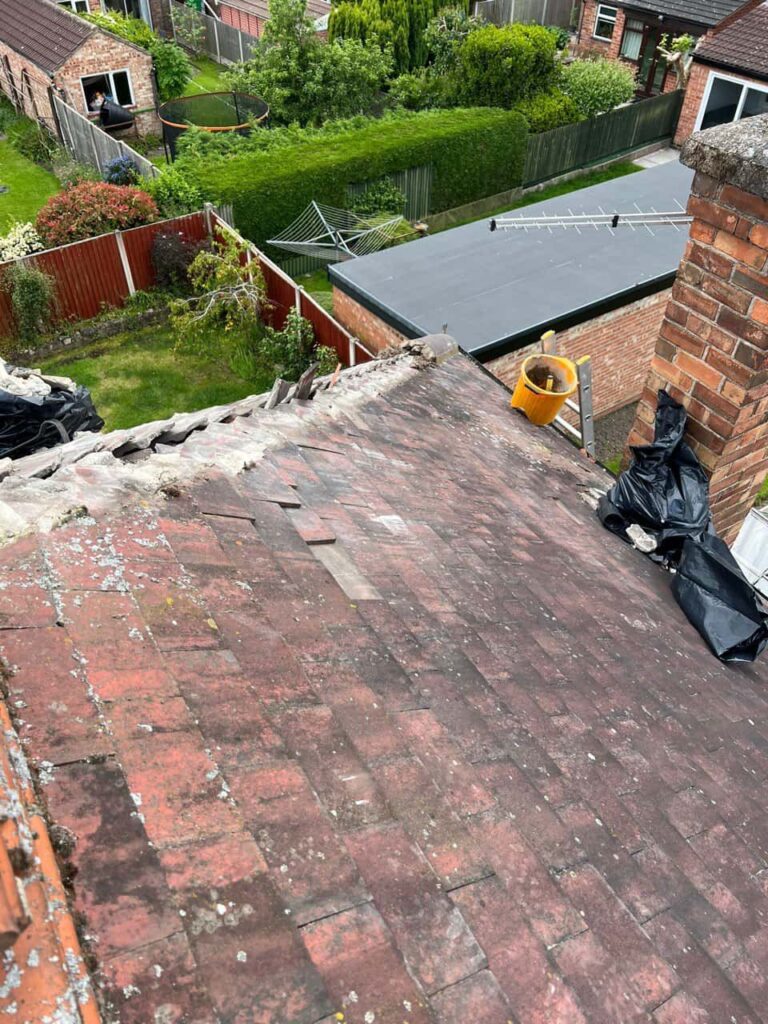
Many homeowners are surprised when roofing problems seem to emerge suddenly during periods of extreme weather. A roof may appear perfectly sound for months or even years, only for leaks, missing tiles, or structural issues to become apparent during a heavy storm, prolonged rainfall, freezing temperatures, or intense heat. In reality, these weather events do not always create new problems; they often expose weaknesses that have been developing gradually over time.
For property owners in Frome, Wiltshire, understanding how extreme weather affects roofing systems can help prevent unexpected damage and highlight the importance of regular roof inspections and maintenance. At MCM Roofing Repairs Frome, we regularly help homeowners identify and resolve roofing issues before they become serious concerns.
Your Roof Faces Constant Exposure
Unlike many other parts of a property, the roof is continuously exposed to the elements. Throughout the year, it must withstand:
- Heavy rain
- Strong winds
- Frost and ice
- Temperature fluctuations
- Prolonged sunlight
Over time, even high-quality roofing materials experience wear and tear. Weather extremes often reveal areas that have become vulnerable.
Heavy Rain Quickly Exposes Weak Points
Rain is one of the most effective ways of identifying roofing defects. Small gaps, damaged flashing, cracked tiles, or deteriorated mortar may remain unnoticed during dry periods but become obvious when subjected to sustained rainfall.
Common issues revealed by heavy rain include:
- Roof leaks
- Water ingress around chimneys
- Damp patches in loft spaces
- Overflowing gutters
A roof that appears sound in dry weather may struggle when faced with prolonged rainfall.
Strong Winds Can Loosen Roofing Materials
High winds place significant pressure on roofing components. Tiles, slates, ridge sections, and flashing that have gradually weakened over time may become displaced during severe weather.
Potential problems include:
- Missing roof tiles
- Loose ridge tiles
- Damaged flashing
- Debris-related impacts
Strong winds often expose existing weaknesses rather than causing damage entirely on their own.
Freezing Temperatures Can Worsen Existing Defects
Winter weather presents unique challenges for roofing systems. When water enters small cracks and gaps, freezing temperatures can cause it to expand.
This freeze-thaw cycle may:
- Widen cracks
- Loosen roofing materials
- Damage mortar joints
- Accelerate deterioration
Even minor defects can become more serious after repeated freezing conditions.
Heat and Sunlight Affect Roofing Materials
While rain and storms often receive the most attention, prolonged periods of heat can also affect roof performance.
High temperatures may contribute to:
- Expansion of roofing materials
- Movement in flashing
- Gradual material fatigue
- Increased stress on older roofs
The constant cycle of expansion and contraction can weaken roofing systems over time.
Older Roofs Are More Vulnerable
As roofs age, materials naturally become less resilient. Tiles may weather, mortar may weaken, and flashing may begin to deteriorate.
Older roofs are often more susceptible to:
- Wind damage
- Water penetration
- Temperature-related movement
- General weather-related wear
This is why regular inspections become increasingly important as a roof gets older.
Minor Issues Often Go Unnoticed
Many roofing defects begin as small problems that are difficult to detect from ground level. A cracked tile or loose flashing section may not cause immediate symptoms but can worsen over time.
Weather extremes often reveal:
- Hidden leaks
- Structural weaknesses
- Damaged roofing materials
- Areas requiring maintenance
By the time the problem becomes visible indoors, the defect may have existed for some time.
Gutters and Drainage Systems Play a Vital Role
Extreme weather does not only affect the roof covering itself. Gutters and drainage systems are equally important for protecting the property.
Blocked or damaged gutters can lead to:
- Overflowing water
- Moisture around roof edges
- Increased strain on roofing components
- Localised water damage
Routine maintenance helps ensure water is directed away efficiently.
Professional Inspections Help Prevent Surprises
One of the most effective ways to avoid weather-related roofing problems is through regular professional inspections. Identifying and addressing minor defects before extreme weather arrives can significantly reduce the likelihood of unexpected damage.
Inspections can reveal:
- Damaged tiles
- Loose flashing
- Deteriorating mortar
- Early signs of leaks
- Areas vulnerable to future weather exposure
Preventative maintenance is often the key to long-term roof performance.
Why Choose MCM Roofing Repairs Frome?
At MCM Roofing Repairs Frome, we provide:
- Professional roof inspections
- Roof repairs and maintenance
- Leak detection services
- Tile and slate replacement
- Flashing and ridge repairs
- Expert roofing services throughout Frome, Wiltshire
Our experienced team helps homeowners identify roofing weaknesses early and maintain roofs that can withstand the demands of the British climate.
Conclusion
Roofing problems often seem to appear during periods of extreme weather because heavy rain, strong winds, freezing temperatures, and heat expose weaknesses that may have been developing for months or even years. What appears to be a sudden issue is often the result of gradual wear and tear finally reaching a point where it can no longer go unnoticed.
For homeowners in Frome, Wiltshire, regular inspections and timely maintenance are the most effective ways to protect a roof from weather-related damage. At MCM Roofing Repairs Frome, we provide professional roofing services designed to keep properties safe, secure, and protected throughout every season.
Call us on: 01373 485 199
Click here to find out more about MCM Roofing Repairs Frome
Click here to complete our contact form and see how we can help with your roofing needs.