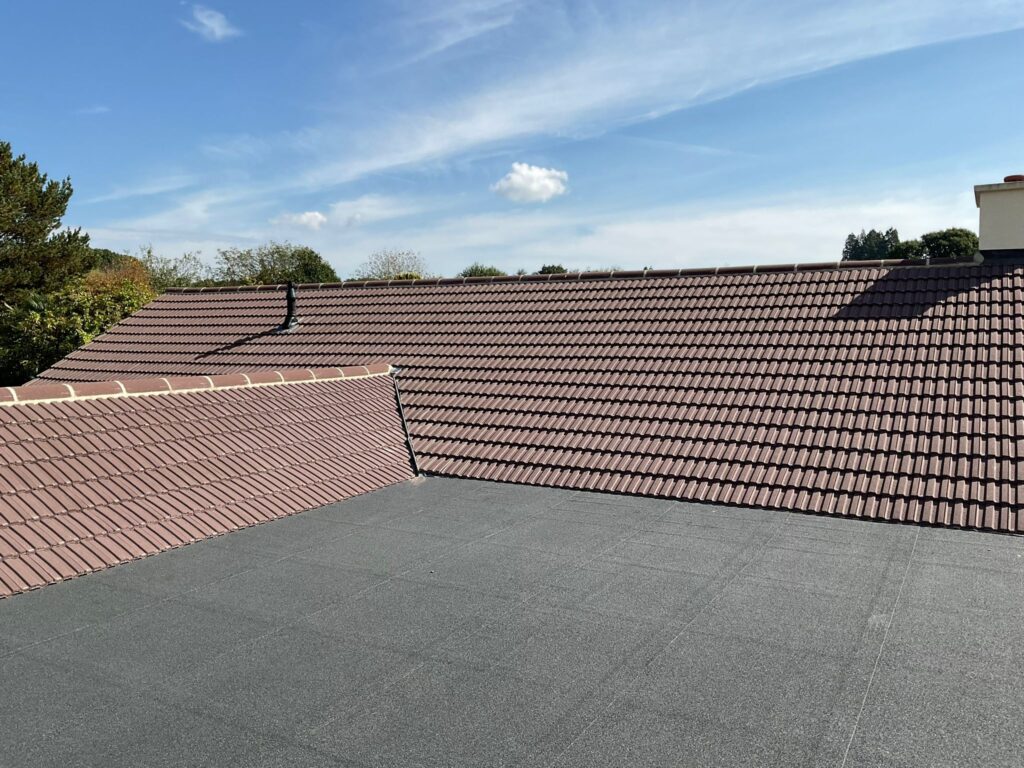
A single slipped roof tile can seem like a minor, isolated issue. However, in practice, tiles rarely move on their own. In many properties across Frome, Wiltshire, a displaced tile is often a visible sign of underlying stresses affecting a wider section of the roof. Understanding why this happens helps homeowners recognise the importance of prompt and professional attention.
Roof Tiles Work as a Connected System
Roof tiles are designed to overlap and interlock, creating a continuous protective barrier against the weather. When one tile shifts, it often alters the way neighbouring tiles sit and bear load.
This interconnected design means movement in one area can subtly loosen adjacent tiles. Over time, what appears to be a single defect may actually involve a small cluster of tiles that are no longer seated correctly.
Fixings and Battens Can Be Affected Together
Slipped tiles are frequently linked to the condition of the fixings or battens beneath them. If a nail corrodes, a batten weakens, or fixings begin to fail in one location, nearby tiles are often supported by the same materials.
As a result, movement in one tile can indicate that the surrounding fixings are under similar strain. Without proper assessment, these hidden weaknesses may remain undetected until further tiles begin to slip.
Weather Pressure Rarely Acts on One Tile Only
Wind, rain and seasonal temperature changes place pressure on entire roof slopes rather than individual tiles. Strong winds, in particular, can lift and flex multiple tiles at once.
If one tile slips following adverse weather, it is likely that nearby tiles have also been stressed. They may not have visibly moved yet, but their stability may already be compromised.
Ageing Roofs Tend to Shift in Sections
As roofs age, materials naturally expand, contract and settle. This process rarely affects a single tile in isolation. Movement tends to occur across sections of the roof where materials have been exposed to the same conditions for many years.
A slipped tile can therefore be an early warning that a particular area of the roof is reaching a point where maintenance or repair is needed to prevent wider disruption.
Hidden Water Ingress Can Undermine Surrounding Tiles
Even minor water ingress can soften battens and reduce the holding strength of fixings beneath several tiles. This hidden deterioration often spreads before becoming visible.
By the time a tile slips, the surrounding structure may already be weakened. Addressing only the visible tile without checking the surrounding area can leave the underlying issue unresolved.
Why Professional Assessment Matters
Because slipped tiles are rarely isolated, effective repairs rely on a thorough inspection of the surrounding roof area. Identifying and addressing related movement ensures the repair restores stability rather than offering a short-term solution.
Professional roofers understand how tile systems behave as a whole and can ensure that all affected components are secured correctly.
Conclusion
Slipped tiles are seldom a standalone problem. They usually point to shared stresses, ageing materials or weather-related movement affecting a wider area of the roof. Acting early helps prevent further displacement and protects the roof’s overall performance.
For homeowners in Frome, Wiltshire, MCM Roofing Repairs Frome provide professional roof inspections and repairs that address the full cause of slipped tiles, not just the visible symptom. A timely assessment can help maintain a secure, reliable roof and avoid more extensive issues developing over time.
Call us on: 01373 485 199
Click here to find out more about MCM Roofing Repairs Frome
Click here to complete our contact form and see how we can help with your roofing needs.